Filipino Beef Tapa: The Ultimate Breakfast Cure
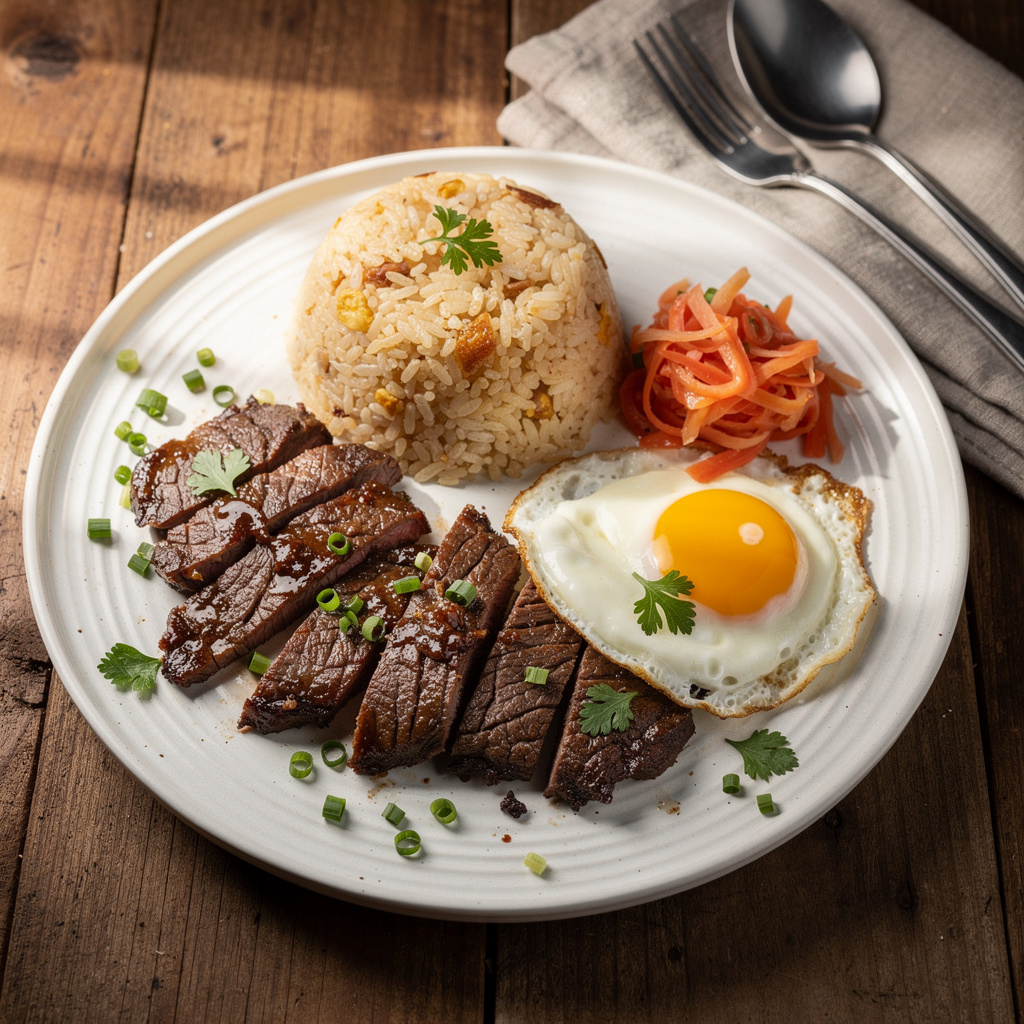
Filipino Beef Tapa: The Ultimate Breakfast Cure
Contents
- Ingredients
- Instructions
- Why Does Beef Tapa Taste Different From Beef Jerky?
- What’s the Best Cut of Beef for Tapa?
- Should I Use Vinegar or Calamansi in the Marinade?
- How Do I Store and Reheat Beef Tapa?
- Frequently Asked Questions
Beef tapa is a beloved Filipino breakfast dish made from thinly sliced beef cured in a savory-sweet marinade of soy sauce, garlic, sugar, and acidic ingredients (vinegar or calamansi), then pan-fried until caramelized and tender. It is traditionally served as part of “Tapsilog”—tapa paired with sinangag (garlic fried rice) and itlog (fried egg)—creating the iconic all-day breakfast combination found throughout the Philippines.
Prep Time: 20 minutes Cook Time: 45 minutes Total Time: 1 hour 5 minutes Servings: 6
Ingredients
- 1 kg (2.2 lbs) beef sirloin, thinly sliced against the grain
- 6 tablespoons soy sauce
- 3 tablespoons cane vinegar or calamansi juice (lemon juice works as substitute)
- 3 tablespoons brown sugar
- 6 cloves garlic, minced (or 1 tablespoon garlic powder)
- 1 teaspoon ground black pepper
- ½ teaspoon salt
- ¼ teaspoon baking soda (optional, for tenderizing)
- 3 tablespoons cooking oil, for frying
Instructions
- Slice the beef into thin pieces (about ¼ inch thick) against the grain. For tougher cuts, pound each slice with a meat mallet to flatten and tenderize.
- In a medium bowl, combine the soy sauce, vinegar or calamansi juice, brown sugar, minced garlic, ground black pepper, and salt. Whisk until the sugar dissolves.
- Optional: Sprinkle the beef with baking soda and massage it in before adding the marinade—this helps tenderize tougher cuts.
- Add the sliced beef to the marinade and mix well, ensuring every piece is fully coated. Do not let the beef “swim” in excessive marinade, which can make the tapa overly salty.
- Cover the bowl and refrigerate for at least 4 hours (overnight is recommended for deeper flavor). Do not exceed 24 hours, as the acid will begin to break down the meat’s texture.
- When ready to cook, drain the beef from the marinade. For a softer, braised-style texture, place 1 cup of water and 3 tablespoons of oil in a pan, bring to a boil, then add the marinated beef and cook until the water evaporates and the oil begins to fry the meat.
- Alternatively, for the direct-fry method: heat oil in a large pan over medium-high heat and cook the beef slices in a single layer for 3–5 minutes per side.
- Cook until the beef is browned and slightly dried on the outside, with caramelized edges from the sugar. Do not overcook, as tapa becomes tough.
- Serve hot with garlic fried rice (sinangag), a sunny-side-up fried egg, fresh tomatoes, cucumber, and a side of spicy vinegar for dipping.
Why Does Beef Tapa Taste Different From Beef Jerky?
While beef tapa is often compared to beef jerky, modern preparations differ significantly. Traditional tapa was cured with salt and sun-dried for preservation (similar to jerky). Today, commercial and homemade beef tapa skip the drying step and simply rely on marinating—soy sauce, vinegar, sugar, garlic, and pepper—before frying. This yields a juicy, caramelized, savory-sweet result rather than the chewy, dehydrated texture of jerky.
What’s the Best Cut of Beef for Tapa?
Tender cuts are ideal because tapa is cooked quickly at high heat. The best options are:
| Cut | Tenderness | Recommended Marinade Time | Notes |
|---|---|---|---|
| Sirloin | Very tender | 4–12 hours | Most commonly recommended; great balance of flavor and tenderness |
| Ribeye | Very tender | 1–12 hours | Well-marbled, juicy, and flavorful |
| Tenderloin/Striploin | Most tender | 1–8 hours | Softest texture, but pricier |
| Flank, Skirt, or Tri-tip | Moderate | 1–24 hours (pound first) | Leaner and tougher; benefit from longer marinating or mechanical tenderizing |
| Round or Rump | Less tender | 12–24 hours (pound first) | Budget-friendly; needs longer marination or pounding |
Conflict note: Sources vary on minimum marinating time. Some recommend as little as 1 hour, while others suggest at least 4 hours or overnight (12 hours) for best results. The longer time allows the acid to penetrate and tenderize the meat while deepening the tangy flavor.
Should I Use Vinegar or Calamansi in the Marinade?
This is the most debated aspect of beef tapa recipes:
- With vinegar: Cane vinegar, coconut vinegar, or white vinegar provide a distinct sour tang and help tenderize the meat. Several sources consider vinegar essential to tapa’s identity as a cured product.
- With calamansi/lemon juice: Citrus adds brightness and acidity but produces a flavor profile closer to Bistek (Filipino beef steak). Some cooks prefer this lighter, fruitier tang.
- Without acid: Some traditionalists (including Panlasang Pinoy) argue that vinegar is not part of the marinade—it should only be used as a dipping sauce. Instead, they rely on soy sauce, garlic, sugar, salt, and pepper.
How to choose: For a more authentic, tangy-cured tapa, use vinegar. For a brighter, fresher flavor, use calamansi. For the most traditional take, skip the acid in the marinade entirely and serve spicy vinegar on the side.
How Do I Store and Reheat Beef Tapa?
| Storage Method | Duration | Instructions |
|---|---|---|
| Refrigerated (cooked) | 3–4 days | Store in an airtight container; reheat in a pan or microwave |
| Refrigerated (marinated, uncooked) | Up to 24 hours | Keep in a sealed container; cook within 24 hours |
| Freezer (marinated, uncooked) | 2–3 months | Freeze in portions; thaw overnight in the fridge before cooking |
Pro tip: Freeze marinated beef tapa in individual meal-sized portions so you can thaw and cook only what you need for breakfast.
Frequently Asked Questions
Can I make pork tapa using this recipe?
Yes. Substitute pork tenderloin or pork belly for beef. The marinade works the same way, though the flavor will be sweeter and less “beefy.” Pork tapa (tapang baboy) is a popular variation.
How do I make beef tapa less salty?
Reduce the soy sauce and omit the added salt. Some cooks also add extra sugar to balance the saltiness. Another trick: after marinating, rinse the beef briefly or add a cup of water during cooking and let it evaporate to leach out some salt.
Why is my beef tapa tough?
Cooking too long or using a tough cut are the two main culprits. Slice against the grain, pound the meat thinly, marinate for at least 4–12 hours, and cook just until browned and caramelized—typically 3–5 minutes per side.
What is Tapsilog exactly?
Tapsilog is a portmanteau of Tapa (cured beef), Sinangag (garlic fried rice), and Itlog (egg). It is the classic Filipino breakfast plate: garlic fried rice topped with fried beef tapa and a sunny-side-up egg, typically served with vinegar dipping sauce and fresh tomatoes or pickled papaya (atchara).
Can I add other ingredients to the marinade?
Yes. Common additions include oyster sauce (for umami), Worcestershire sauce, chili flakes (for heat), and MSG or meat enhancer. Feel free to taste the marinade before adding raw meat and adjust sweetness, saltiness, or acidity to your preference.
Related guides
- The Complete Guide to Beef Caldereta (Kalderetang Baka)
- Beef Mechado: A Classic Filipino Tomato-Based Beef Stew Recipe
- Beef Pares: The Ultimate Filipino Braised Beef Recipe
- Bistek Tagalog: The Ultimate Filipino Beef Steak Recipe
- Bulalo (Filipino Beef Marrow Soup) Recipe – Complete Guide