Ginataang Kalabasa
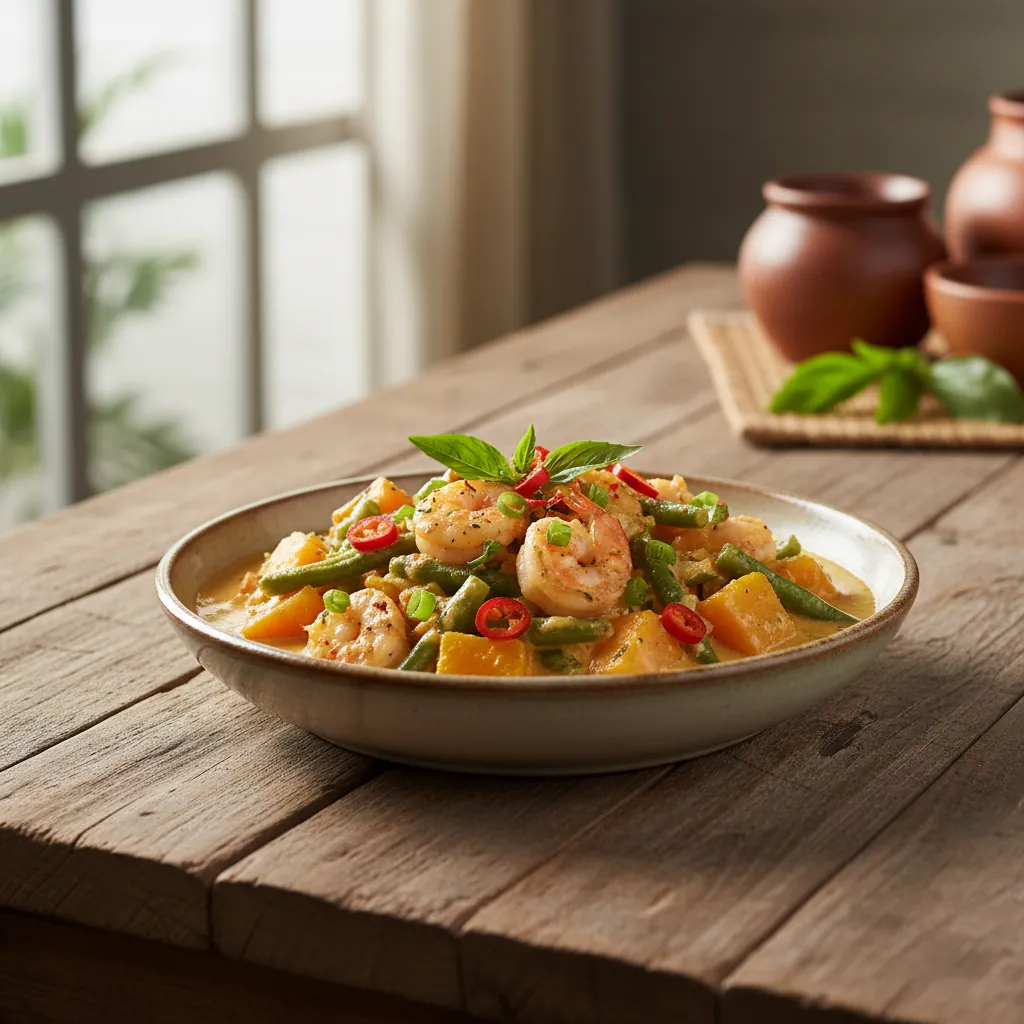
Ginataang Kalabasa
Contents
Ginataang Kalabasa is a creamy and comforting Filipino vegetable stew made with squash (kalabasa), coconut milk, and often paired with shrimp, string beans, or other vegetables. This dish is a staple in Filipino cuisine, known for its rich umami flavor and slight sweetness from the squash. It’s a versatile dish that can be customized with various proteins or vegetables.
Prep Time: 20 minutes
Cook Time: 45 minutes
Total Time: 1 hour 5 minutes
Servings: 6
Ingredients
- 1 kg kalabasa (squash), cubed
- 2 cups coconut milk
- 1 onion, chopped
- 4 cloves garlic, minced
- 1 thumb-sized ginger, sliced
- 200 g shrimp (optional), peeled and deveined
- 10 pieces string beans (sitaw), cut into 2-inch lengths
- 1 tbsp fish sauce (patis) or shrimp paste (bagoong)
- 1 tbsp cooking oil
- Salt and pepper to taste
Instructions
- Prepare the ingredients: Peel and cube the kalabasa, chop the onion, mince the garlic, slice the ginger, and cut the string beans.
- Sauté aromatics: Heat oil in a pan over medium heat. Sauté garlic, onion, and ginger until fragrant.
- Add squash: Add the cubed kalabasa and stir to coat with the aromatics. Cook for 3-5 minutes.
- Pour coconut milk: Add the coconut milk and bring to a gentle boil. Cover and simmer for 15 minutes or until the squash is tender.
- Add shrimp and string beans: If using shrimp and string beans, add them to the pan and cook for another 5-7 minutes until the shrimp turn pink and the beans are tender.
- Season: Add fish sauce (or shrimp paste), salt, and pepper to taste. Stir well.
- Serve: Transfer to a serving bowl and enjoy hot with steamed rice.
Tips & Notes
- Substitutions: If kalabasa is unavailable, substitute with butternut squash, kabocha, or sweet potatoes.
- Protein options: Add pork, chicken, or tofu instead of shrimp for variety.
- Spice it up: Add chili peppers (siling haba or labuyo) for a spicy kick.
- Storage: Store leftovers in an airtight container in the refrigerator for up to 2-3 days. Reheat gently to avoid curdling the coconut milk.
FAQs
What is ginataang kalabasa made of?
Ginataang kalabasa is made with squash (kalabasa), coconut milk, aromatics (garlic, onion, ginger), and often includes shrimp or string beans. It’s seasoned with fish sauce or shrimp paste.
Can I make ginataang kalabasa vegetarian?
Yes, omit shrimp and fish sauce, and use mushroom sauce or miso paste for flavor. Add more vegetables like eggplant, okra, or spinach.
Can I use canned coconut milk?
Yes, canned coconut milk works well. Fresh coconut milk is ideal but not necessary.
How long does ginataang kalabasa last?
It lasts 2-3 days in the refrigerator. Store in smaller portions and reheat only what you need to avoid spoilage.
Related guides
- Filipino Chopsuey Recipe
- Dinengdeng: A Filipino Vegetable Dish
- Ensaladang Talong (Filipino Eggplant Salad)
- Ginataang Gulay: A Complete Guide to Filipino Vegetables in Coconut Milk
- Ginisang Ampalaya (Sauteed Bitter Melon) - Filipino Recipe Guide