🥦 Ginisang Sayote
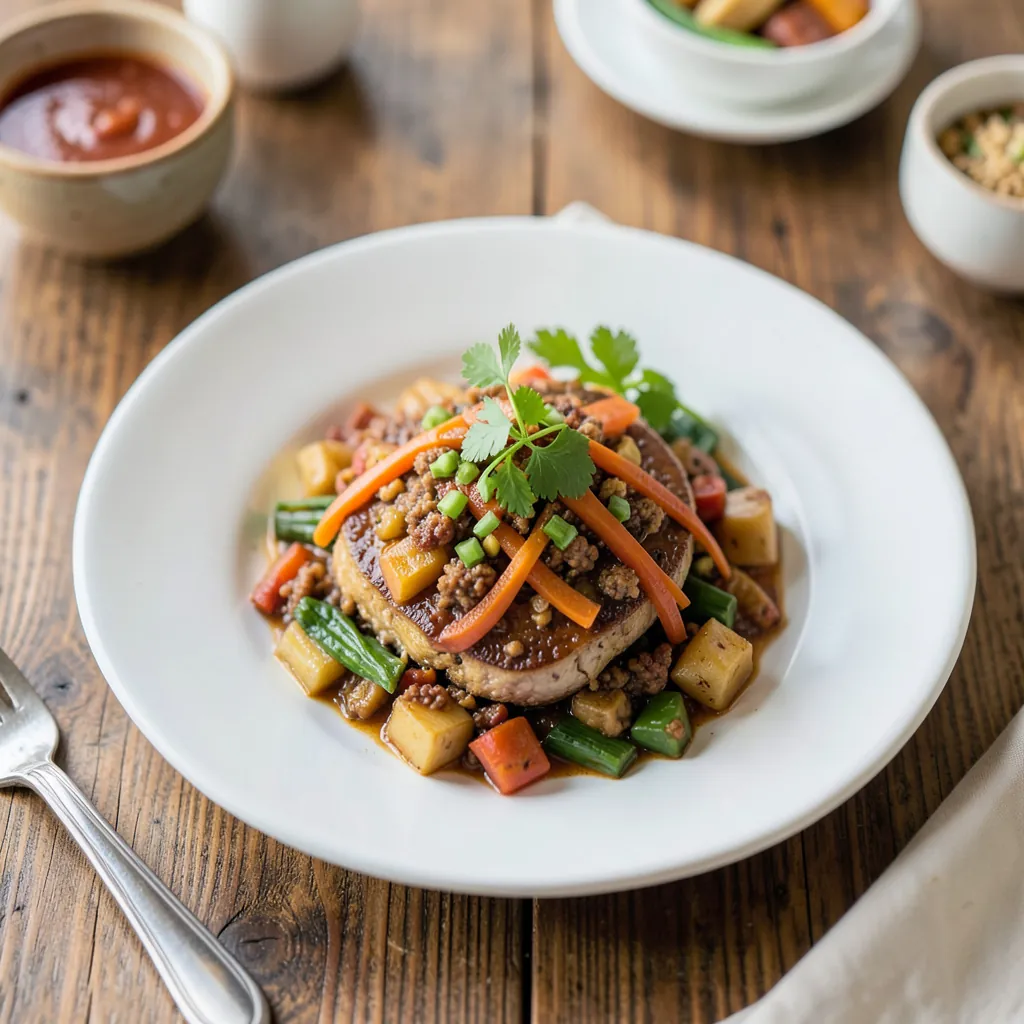
🥦 Ginisang Sayote
Contents
- Ingredients
- Instructions
- 💡 Tips and Notes
- 🧊 Storage and Reheating
- 📊 Nutrition (Approximate, Per Serving)
- ❓ FAQ
Ginisang Sayote is a classic Filipino dish made with chayote squash, sautéed with garlic, onions, tomatoes, and often paired with shrimp or ground pork. It’s a simple, nutritious, and budget-friendly vegetable dish that’s perfect for everyday meals.
Prep Time: 20 minutes
Cook Time: 45 minutes
Total Time: 1 hour 5 minutes
Servings: 6
Ingredients
- 2 tablespoons cooking oil
- 1 onion, peeled and chopped
- 4 cloves garlic, peeled and minced
- 2 Roma tomatoes, chopped
- ½ pound shrimp (peeled, deveined, and cut into pieces) or 250 grams ground pork
- 2 tablespoons oyster sauce or fish sauce
- 1 cup water or chicken broth
- 4 sayote (chayote squash), peeled, cored, and sliced
- Salt and black pepper to taste
Instructions
- Heat oil in a wide pan over medium heat. Add onions and garlic, cooking until softened.
- Add tomatoes and cook, mashing with the back of a spoon, until softened and releasing juice.
- Add shrimp or ground pork, cooking until pink (shrimp) or browned (pork).
- Pour in water or broth and oyster or fish sauce, stirring to combine. Bring to a boil.
- Add sayote slices, reduce heat, cover, and simmer for 8–10 minutes or until tender but still crisp.
- Season with salt and pepper. Serve hot with steamed rice.
💡 Tips and Notes
- Pre-salting sayote: Lightly salt sliced sayote and let sit for 10 minutes to draw out excess water, preventing a watery dish.
- Avoid mushy sayote: Cook sayote just until tender-crisp; overcooking makes it mushy.
- Substitutes: Use tofu or mushrooms for a vegetarian version, or swap shrimp/pork with chicken.
🧊 Storage and Reheating
Store leftovers in an airtight container in the fridge for up to 3 days. Reheat gently in a skillet over medium-low heat or in the microwave. Avoid freezing, as it can make sayote mushy.
📊 Nutrition (Approximate, Per Serving)
- Calories: 150 kcal
- Protein: 8g
- Carbs: 10g
- Fat: 8g
❓ FAQ
Can I omit shrimp paste?
Yes, you can skip shrimp paste or substitute it with soy sauce or oyster sauce for a similar umami flavor.
Do I need to peel sayote?
Yes, peeling sayote removes any bitterness and ensures a better texture.
Why is my Ginisang Sayote watery?
Excess water can come from not pre-salting the sayote or overcooking it. Pre-salting helps reduce moisture.
What can I serve with Ginisang Sayote?
It pairs well with steamed rice and fried fish or meat.
Can I use frozen sayote?
Fresh sayote is recommended for the best texture, but frozen can work in a pinch—reduce cooking time to avoid mushiness.