Sinigang na Hipon Recipe: The Complete Guide to Filipino Shrimp Sour Soup
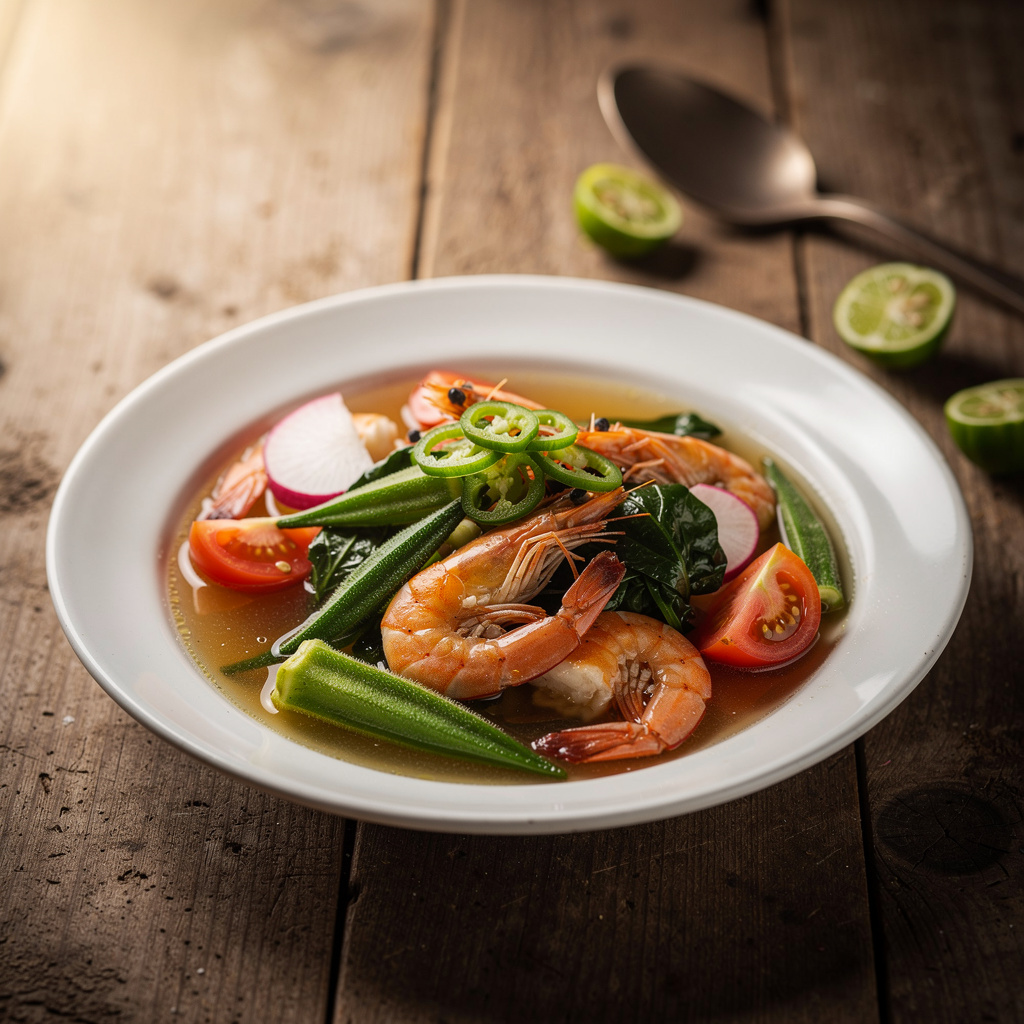
Sinigang na Hipon Recipe: The Complete Guide to Filipino Shrimp Sour Soup
Contents
- Ingredients
- Instructions
- Tips for Perfect Sinigang na Hipon
- How Different Souring Agents Compare
- Frequently Asked Questions
Sinigang na Hipon is a classic Filipino sour soup made by simmering whole shell-on shrimp with vegetables in a tamarind-based broth. Unlike pork or beef versions that require long cooking times, this shrimp variant comes together in under an hour while delivering a concentrated seafood flavor from cooking the shrimp heads and shells directly in the broth. The result is a tangy, savory, and comforting dish traditionally served piping hot with steamed rice.
Prep Time: 20 minutes
Cook Time: 45 minutes
Total Time: 1 hour 5 minutes
Servings: 6
Ingredients
- 500 g (1.1 lbs) large shrimp, whole with heads and shells on, cleaned and deveined
- 2 L (8 cups) water or rice washing (hugas bigas)
- 1 pack (44 g) Knorr Sinigang sa Sampaloc Mix (or 22 g pack for milder sourness)
- 1 medium onion, quartered
- 3 medium ripe tomatoes, quartered
- 1 medium daikon radish (labanos), peeled and sliced into ¼-inch rounds
- 1 medium Chinese eggplant, sliced diagonally into ½-inch pieces
- 15 pieces snake beans (sitaw), cut into 2-inch lengths (about 1 cup)
- 5-6 pieces okra, caps left on
- 3 pieces long green peppers (siling pansigang), left whole
- 1 bunch water spinach (kangkong), stalks and leaves separated
- 2-3 tablespoons fish sauce (patis), to taste
- Ground black pepper, to taste
Instructions
-
Prepare the shrimp. Rinse the shrimp under cold running water. Using kitchen scissors, trim the sharp horn on top of the head, snip off the long whiskers and legs, and devein by running a small knife along the back of the shell and lifting out the dark vein with the tip. Set aside.
-
Start the broth. Pour the water (or rice washing) into a large pot. Add the quartered onion, quartered tomatoes, and sliced daikon radish. Cover and bring to a boil over medium-high heat. Once boiling, reduce heat to medium, cover, and simmer for 8 minutes until the radish begins to soften.
-
Add the shrimp and souring agent. Add the cleaned shrimp to the pot. Cook for 1 minute. Then add the Knorr Sinigang sa Sampaloc Mix and stir until completely dissolved. Cover and cook for 3 minutes.
-
Add the firm vegetables. Add the long green peppers, snake beans, okra, and sliced eggplant. Stir to submerge the vegetables in the broth. Cook for 5 minutes, pushing any floating vegetables back into the liquid.
-
Add the kangkong stalks. Place the separated kangkong stalks into the pot. Season with fish sauce and ground black pepper to taste. Stir gently.
-
Finish with kangkong leaves. Add the kangkong leaves. Push them down into the hot broth. Cook for 1 minute just until wilted, then turn off the heat immediately.
-
Serve. Ladle the shrimp and vegetables into a serving bowl, then pour the broth over them. Serve hot with steamed white rice and a side dish of fish sauce with crushed siling labuyo (bird’s eye chili) for dipping.
Tips for Perfect Sinigang na Hipon
- Keep the heads and shells on the shrimp. The heads and shells release natural shrimp flavor into the broth that cannot be achieved with peeled shrimp alone.
- Do not overcook the shrimp. Shrimp cooks in 3-5 minutes total. Overcooked shrimp becomes tough and the shells stick to the meat. A visual cue: shrimp curled into a “C” shape is perfectly cooked; curled into an “O” means it is overcooked.
- Add the sinigang mix gradually. Start with one packet and taste the broth before adding more. Some households prefer their sinigang very sour and may use 1.5 packets.
- Have all vegetables prepped before you start. Once the water boils, the cooking moves quickly and there is no time to chop vegetables mid-recipe.
- Use rice washing (hugas bigas) for a thicker, starchier broth. This is the water used to rinse raw rice before cooking. It adds body and a subtle creamy texture to the soup.
How Different Souring Agents Compare
| Souring Agent | Amount Needed | Flavor Profile | Preparation Method |
|---|---|---|---|
| Knorr Sinigang sa Sampaloc Mix (44 g) | 1 packet for 2 L water | Consistent sourness, slightly sweet | Stir directly into broth; dissolves instantly |
| Mama Sita’s Tamarind Seasoning Paste (150 g) | 1 pouch for 2.5 L water | Richer, more natural tamarind flavor | Stir into broth at the start |
| Fresh green tamarind | 10-12 pieces | Bright, sharp sourness with slight fruitiness | Boil in 1 cup water until soft, mash, strain pulp into broth |
| Tamarind concentrate (bottled) | 2-3 tablespoons | Tangy, concentrated sourness | Stir in gradually and taste as you go |
| Fresh kamias (bilimbi) | 5-6 pieces | Very tart, slightly floral | Add whole to broth at the beginning and remove before serving |
Note: Source 1 (Panlasang Pinoy) specifies using the Knorr Sinigang sa Sampaloc Mix as the primary option but also provides instructions for fresh tamarind. Source 4 (Knorr PH) naturally recommends their own brand. Source 8 (Mama Sita’s) recommends their tamarind seasoning paste. The quantities differ because each product has a different concentration. If using a 22 g sinigang mix instead of 44 g, you may need two packets to achieve the same level of sourness.
Frequently Asked Questions
Do I need to devein the shrimp?
On small shrimp, deveining is optional and can be skipped. On larger shrimp (size 21/25 or bigger), remove the dark vein by running a small knife along the back of the shell and lifting it out with the tip. More important than deveining is trimming the sharp head horn, whiskers, and legs, as these can scratch your mouth and collect grit during cooking.
Can I use frozen shrimp?
Yes. Thaw frozen shrimp overnight in the refrigerator, or place them in a colander under cold running water for 10-15 minutes if cooking immediately. Drain well before adding to the pot. Dropping frozen shrimp directly into the broth releases excess water that dilutes the flavor and extends cooking time unevenly.
Can I add gabi (taro) to thicken the broth?
Yes. Peel and quarter 2 pieces of gabi. Add them to the pot with the onion, tomato, and radish at the beginning. Once they are soft (about 10 minutes), mash 1 or 2 pieces against the side of the pot with a spoon to release their starch before adding the shrimp. This technique is common in pork sinigang but works equally well with shrimp.
How do I store and reheat leftovers?
Store in an airtight container in the refrigerator for up to 2-3 days (Source 1 says 2 days; Source 2 says 3-4 days). Reheat only the portion you plan to eat, using medium heat just until steaming — do not bring to a rolling boil, as the shrimp will become tough and rubbery. For longer storage, freeze the broth alone (without shrimp or kangkong) for up to 2 months. Add fresh shrimp and vegetables when reheating.
Why did my broth taste flat?
Add more fish sauce, stir, and taste again. If the broth lacks sourness rather than saltiness, add more sinigang mix or tamarind paste. The seasoning depends on how much water is in the pot and your personal preference, so always treat the suggested amounts in the recipe as a starting point and adjust to taste.
Can I use other vegetables?
Yes. The core vegetables for building the broth are onion, tomato, and radish — keep these even if you omit others. The remaining vegetables (okra, eggplant, snake beans, kangkong) are interchangeable. Common substitutions include spinach or bok choy for kangkong, regular green beans for snake beans, and globe eggplant cut into half-moons for Chinese eggplant.
How do I know when the shrimp is cooked?
Whole shell-on shrimp takes 3-5 minutes to cook after being added to the hot broth. Visual cues: the shrimp will turn from translucent gray to opaque orange or pink. The flesh should feel firm when pressed, and the shrimp should curl into a loose “C” shape. If they curl into a tight “O,” they are overcooked.
Related guides
- Daing na Bangus (Marinated Fried Milkfish) – A Complete Guide
- Ginataang Hipon Recipe: Filipino Shrimp in Coconut Milk
- Sweet and Sour Fish (Filipino Style)
- Arroz Caldo
- The Complete Guide to Beef Caldereta (Kalderetang Baka)